Some 200,000 protesters are expected this Saturday against the cost of living and for schools; in Paris, the police set the march from République to Place de Clichy.
Nydal is 23 and has never marched. This Saturday he will take the RER into Paris with his friends. Axel, a medical student in the Val-de-Marne, will join them after his shift at the market, around 2 p.m. The high-school movement planted in them “a little seed”. The authorities expect some 200,000 protesters across France, against the cost of living and for more money for education.
A year ago, Europe thought it had settled the bill: a 90-billion-euro loan was to cover 2026 and 2027. On Friday in Brussels, Volodymyr Zelensky, the Ukrainian president, asked for 70 billion more for next year. Ursula von der Leyen, the president of the European Commission, confirms the gap: it “will have to be filled”.
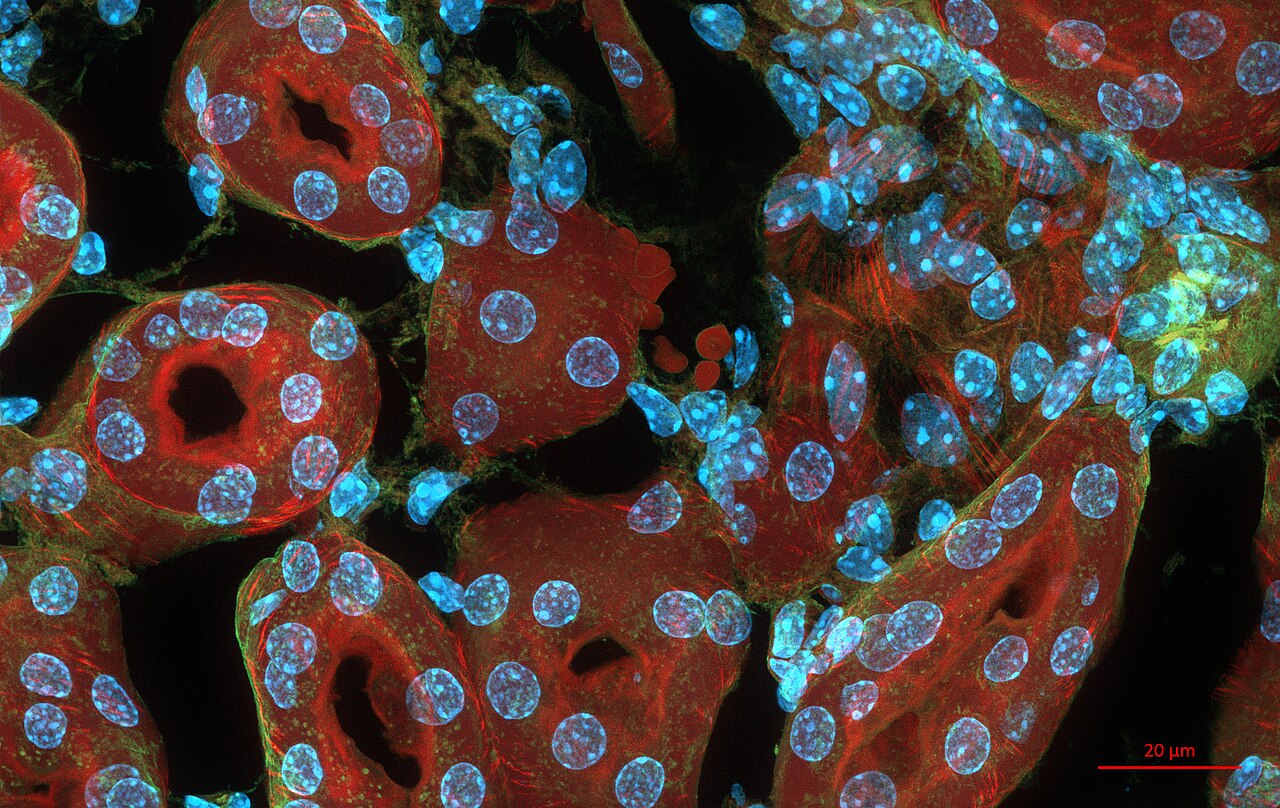
Californian biotech Estuary comes out of stealth with 103 million dollars to treat the most common inherited kidney disease, which has only one dedicated drug.
One person in 400 to 1,000 is thought to have autosomal dominant polycystic kidney disease, the most common inherited kidney disease. Only one drug is approved for it: tolvaptan.
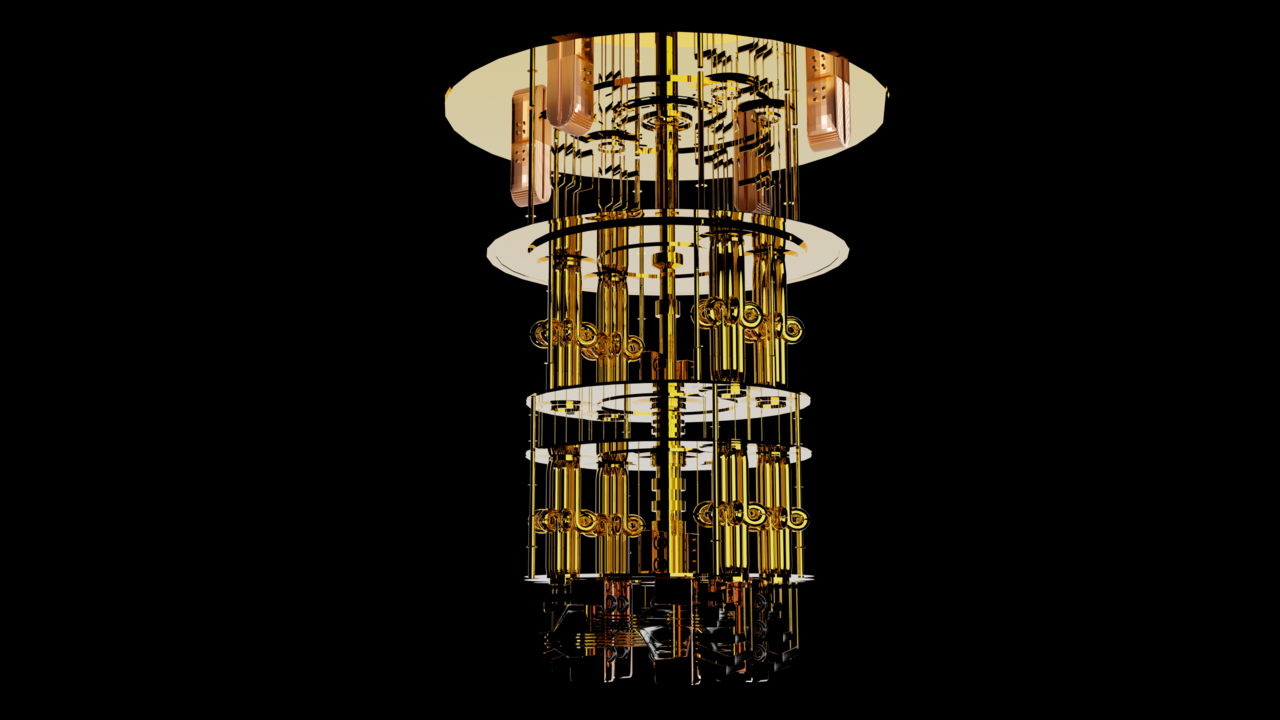
In the journal Science, Google shows on its Willow chip a method that makes a key ingredient of quantum computing with 40 times fewer errors, at the cost of ruthless sorting.
A quantum computer makes a lot of mistakes. Its qubits, the quantum bits, go haywire at the slightest disturbance, heat or interference. To hold up, the machine spreads information across several qubits and constantly checks its own work.
At first, I printed this paper for myself alone, every morning. I wanted to know what mattered in France, in Paris and in the world without spending an hour scrolling through screens. So I sorted, then I wrote.
filou d’actu is that sorting, shared. A few topics chosen every day, told simply, with the names of the media the facts come from. You read it with your coffee, from start to finish, then get on with your day.