
Quantum computing: Google cuts errors by a factor of 40
In the journal Science, Google shows on its Willow chip a method that makes a key ingredient of quantum computing with 40 times fewer errors, at the cost of ruthless sorting.
· N° 1
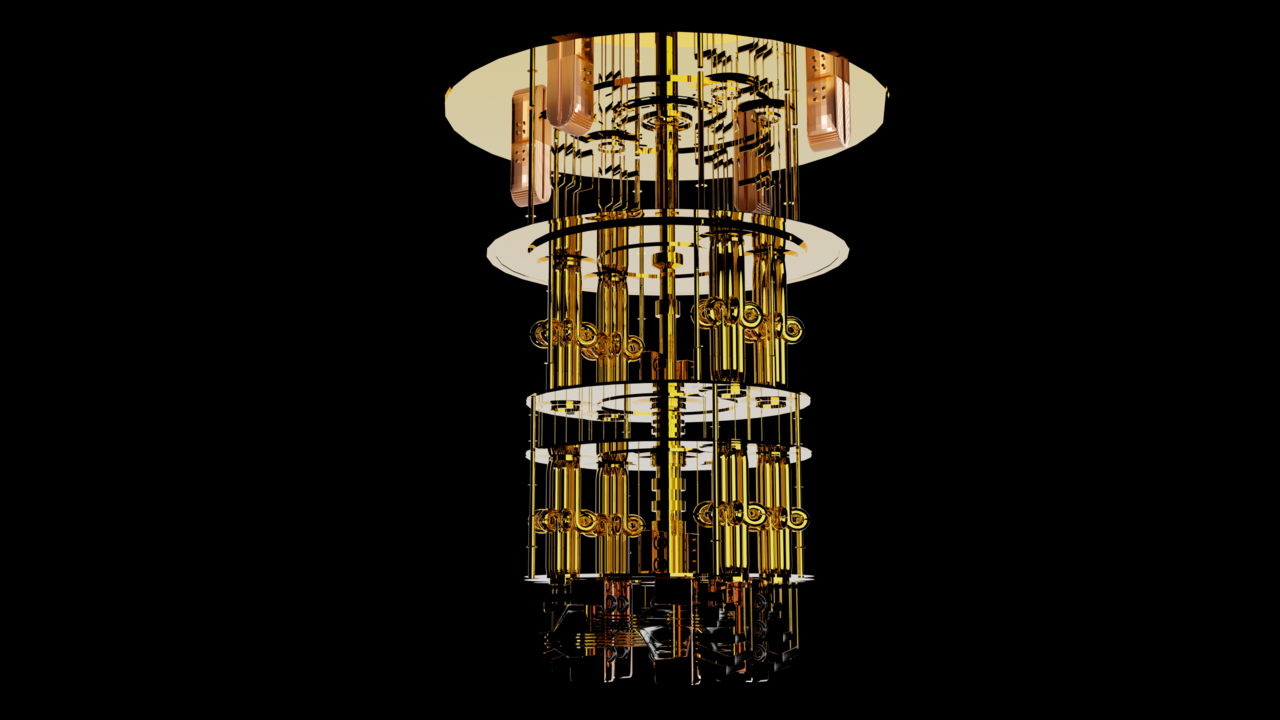
A quantum computer makes a lot of mistakes. Its qubits, the quantum bits, go haywire at the slightest disturbance, heat or interference. To hold up, the machine spreads information across several qubits and constantly checks its own work.
A single-use ingredient
Some operations need an ingredient prepared in advance, “magic states”. Each can be used only once, so they must be produced non-stop. Making them the classic way, by distillation, could take up to 95% of a machine’s capacity, according to Google.
On 15 October, Google Quantum AI published another method in Science: “cultivation”. The state is made on a small group of qubits, checked, and faulty attempts are thrown away. On Willow, its 105-qubit chip unveiled in December 2024, the error falls about fortyfold.
A well-filled bin
Sorting has a price: in the strictest runs, only 8% of attempts are kept. This is not a new chip, and the preprint had been circulating since December 2025; what is new is the peer review.
Google admits it: the method still has to be shown at a larger scale. Quantum computing knows how to sort its errors. It still has to make fewer of them. Do we need to understand a machine to trust it, or is it enough that it errs less than we do?
Based on ScienceAlert and The Quantum Insider