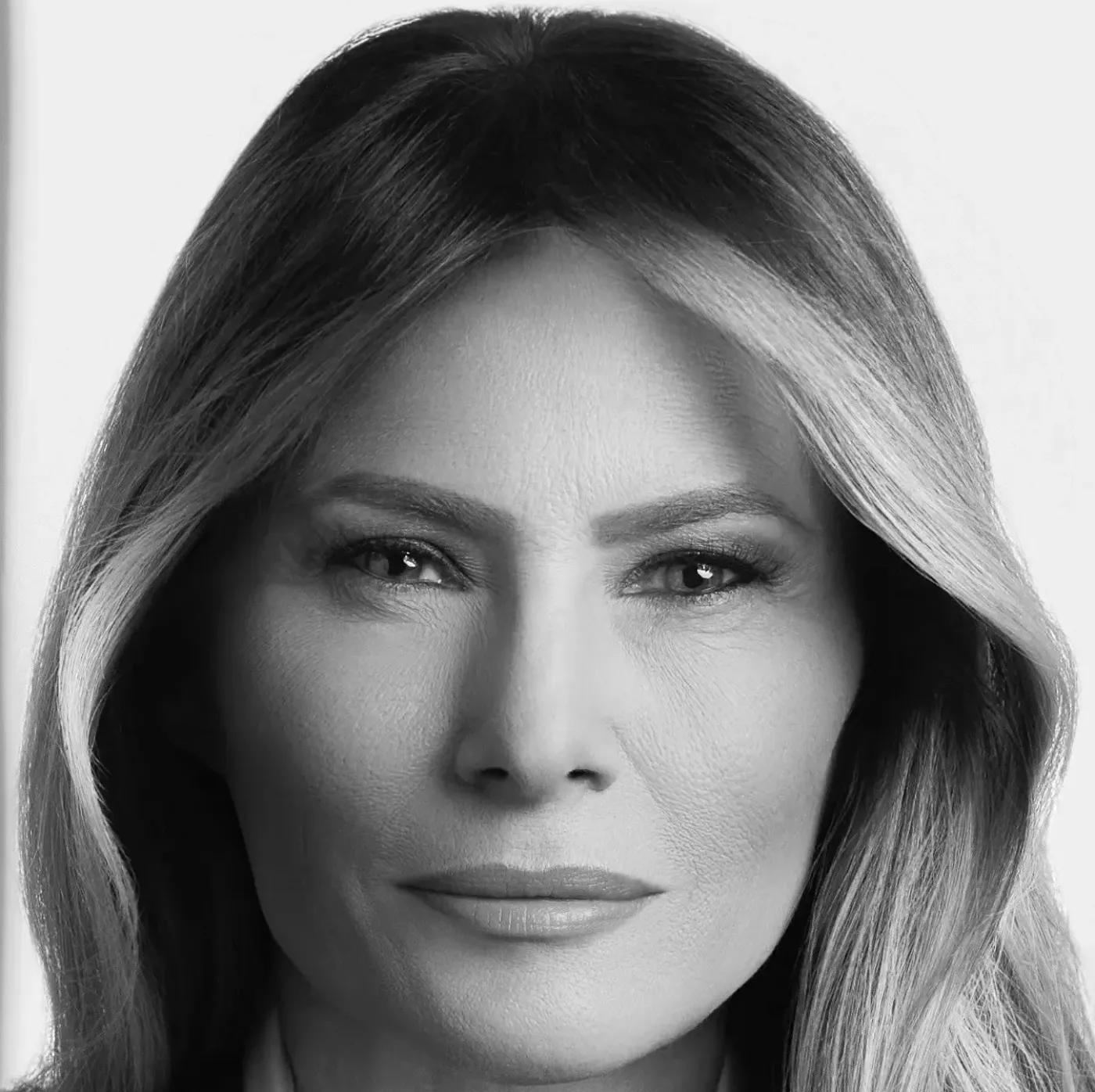
This Thursday at 11 am, Melania Trump receives a Russian delegation and a Ukrainian delegation at the White House. Between the two, a town, Oleshky, and 750 residents who got out under a truce last week. Kyiv gave her its highest award for women on Wednesday.
Dmytro Lubinets and Yana Lantratova walked into Oleshky together last week: Ukraine’s human rights commissioner and his Russian counterpart, side by side on the front line. From 27 October to 1 November, the truce held: food, medicine, and 750 of 2,000 residents out of the occupied town, three quarters of them bound for Ukraine.
While 252 marches form this Thursday, from Paris to Marseille, the 2027 budget left the National Assembly without a single vote in favour: 458 against, two abstentions. The Senate takes up the original text on 20 November. And at the BHV, two entrepreneurs want a Made in France department store.
This Thursday morning, secondary schools blockaded from 7 am, missing regional trains, and 252 demonstrations on the CGT’s map. Domestic intelligence expects 500,000 to 700,000 people outside Paris, after three Saturdays of protest against the cost of living. The court upheld the République-Nation route; Laurent Nuñez deploys 70,000 police and gendarmes.
Hackers took more than 100 million euros from the own funds of Crédit Mutuel Arkéa, a first for a European bank, and customers lost nothing. At the same time, an MP wants to tax every gigabyte sent to the French, and Xavier Niel loses his temper.
On Monday, the American platform Kraken saw transfers arrive that were unusual for a European bank, and blocked them. Too late for part of the money: the hackers had corrupted the computer of a contractor authorised to place orders, then drew more than 100 million euros from the own funds of Arkéa, in Brest, out of 10 billion, before converting it all into cryptocurrencies. Customers’ accounts did not move.
Six measures against the health effects of climate change would avoid 1.6 million deaths a year, the WHO calculates. The same day, four Red Cross trucks entered besieged Taiz, Bob Dylan gave the Pope his memoirs, and 55 Santas received their diplomas in Rio.
Tedros Adhanom Ghebreyesus set out the figure on Wednesday, in Geneva: 1.6 million deaths avoided every year if states apply six measures, starting with the phase-out of fossil fuels, which alone would spare a million lives. “The climate crisis is a health crisis,” says the WHO chief. Every dollar invested would return 24.80.
Already hit by Ebola, 5,300 deaths in five months, the Democratic Republic of Congo is living through “its worst cholera epidemic in decades”: 60,000 cases, 1,800 deaths, and patients along the river, towards Kinshasa. In Nigeria, 28 assemblies said yes to state police forces. In Dakar, the surfers are waiting their turn.
The two Kivus, again: most cases come from the east of the DRC, as with Ebola, but patients are now appearing along the Congo River, “which means it could spread as far as Kinshasa”, Tedros Adhanom Ghebreyesus said on Wednesday. More than 60,000 cases, 1,800 deaths, a fatality rate close to 3%, and the rainy season on its way.
At first, I printed this paper for myself alone, every morning. I wanted to know what mattered in France, in Paris and in the world without spending an hour scrolling through screens. So I sorted, then I wrote.
filou d’actu is that sorting, shared. A few topics chosen every day, told simply, with the names of the media the facts come from. You read it with your coffee, from start to finish, then get on with your day.